

September 20, 2026
Compressor Sidechain Filters Explained: Why Low End Triggers Compression

A sidechain high-pass filter does not remove bass from the audible signal when it exists only in the detector path. It reduces how strongly low frequencies drive the compressor's control signal. That can stop a kick, bass note, or sub-heavy hit from pulling down the entire mix while leaving the low end in the audio path.
What is a compressor sidechain filter?
A compressor sidechain filter changes the signal feeding the detector. A high-pass filter reduces low-frequency energy in that control path before the detector or control circuit decides how much gain reduction to apply.
The main audio can remain full-band. The filter changes what the compressor listens to, not necessarily what the listener hears directly.
Why does low end trigger so much compression?
Low frequencies can carry substantial energy even when they do not sound disproportionately loud. A kick fundamental, bass note, or sub hit can therefore dominate a broadband detector. When that energy crosses the threshold, the compressor turns down the entire signal, including mids and highs that did not cause the reaction.
On a mix bus, this may sound like the vocal, cymbals, and guitars dip every time the kick lands. On a drum bus, the kick may determine the movement of the overheads and room microphones. On a bass track, the lowest notes may cause much more gain reduction than the higher notes.
That behavior is not automatically wrong. Sometimes the low end should lead the movement. The sidechain filter is useful when the detector response does not match the balance you want to hear.
How does a sidechain high-pass filter work?
The compressor splits or derives a control signal for its detector. The sidechain high-pass filter reduces frequencies below its cutoff in that control signal. The detector then receives less low-frequency energy and requests less gain reduction from bass-heavy events.
The gain-control element still turns down the full-band audio unless the processor is explicitly multiband or frequency selective. This distinction explains why the kick can remain audible even though it triggers less compression.
Cutoff frequency changes the weighting
Raising the cutoff removes more low-frequency contribution from the detector. The control signal becomes progressively less sensitive to kick and bass fundamentals. A steep slope can make the transition more selective, while a gentler slope changes the weighting over a broader range.
Do not assume a higher cutoff is better. If the filter removes too much low-frequency influence, the compressor may stop responding to the part of the mix that should anchor its movement.
Detector filtering is not audible EQ
When the filter exists only in the detector path, it does not cut bass from the output. You may still hear a tonal change because the compressor now applies a different gain envelope, but that is not the same as filtering the audio path.
Sidechain EQ can do more than high-pass filtering
Some compressors include low-pass, bell, shelf, or other detector filters. Boosting a frequency in the sidechain can make the compressor more sensitive to that region. Cutting a region can make it less sensitive. The audible result is still created by changing gain reduction unless the design also routes that filter into the main audio path.
Internal sidechain vs external sidechain
An internal sidechain uses a version of the signal being compressed as the detector source. Filtering that internal sidechain changes which frequencies within the same signal drive gain reduction.
An external sidechain uses another signal as the trigger. A kick can trigger compression on a bass or synth, or a vocal can trigger compression on guitars. Filtering the external sidechain changes what part of that trigger signal the detector follows.
These are different decisions:
- Internal sidechain filter: changes the frequency weighting of the compressor's own detector signal.
- External sidechain input: replaces or supplements the trigger with another routed signal.
- External sidechain filtering: shapes that routed trigger before detection.
The word sidechain can refer to the entire detector path, not only the familiar kick-to-bass ducking technique.
What changes in audio when you raise the sidechain filter?
On a mix bus, raising the detector high-pass filter can reduce how much the whole mix dips on kick and sub-bass events. The low end remains in the audio, but the mids and highs may feel steadier because they are no longer being pulled down as strongly by bass energy.
On a drum bus, the kick may stop dominating the gain-reduction meter, which can let snare and room movement contribute more evenly. On a bass track, filtering the detector can reduce the difference in compression between the lowest and higher notes.
The filter can also remove useful control. If a kick is the musical anchor and the compressor should move around it, reducing its detector contribution too far can make the bus feel disconnected.
When is a sidechain filter useful?
- A kick causes the vocal, cymbals, or guitars to dip on the mix bus.
- Sub-heavy notes produce much more gain reduction than the rest of a bass line.
- A drum bus pumps around the kick when you want more balanced movement.
- A compressor reaches the desired control on mids and highs but overreacts to rumble or low-frequency stage noise.
- You want to shape what an external trigger emphasizes before it reaches the detector.
When should you leave it off?
Leave the filter off when the full-band detector already creates the movement you want. Low-frequency energy may be the most important dynamic information in a kick-and-bass relationship or in a bus where the rhythm section should lead the gain reduction.
Do not engage a sidechain filter automatically because the mix contains bass. Use it to solve a detector problem you can hear.
Sidechain filter vs multiband compression
What is filtered: The detector signal.
What receives gain reduction: Normally the full-band audio.
Main purpose: Change what triggers broadband compression.
Does it remove bass directly: No, not when detector-only.
What is filtered: The audio is divided into frequency bands.
What receives gain reduction: One or more selected bands.
Main purpose: Control frequency ranges independently.
Does it remove bass directly: It can reduce the low band when that band is compressed.
A sidechain filter changes the decision. Multiband compression changes the audio in separate bands.
Try this sidechain-filter listening test
Use a full mix or drum bus with a strong kick and some sustained midrange material.
- Set the compressor so the kick clearly drives gain reduction.
- Match the output level and listen to the vocal, cymbals, room, or guitars when the kick lands.
- Raise the sidechain high-pass filter gradually.
- Confirm that the kick remains in the audio while the gain-reduction response changes.
- Stop when the bus movement supports the groove rather than when the meter becomes calmest.
- Bypass the filter and compare again at the same listening level.
If the low end disappears from the output, the control is not operating only in the detector path or another part of the routing has changed.
Common misconceptions
Misconception: A sidechain high-pass filter cuts bass from the mix.
Correction: When it is detector-only, it reduces bass in the control signal, not the audible audio path.
Misconception: Sidechain means using another track as the trigger.
Correction: The sidechain is the detector path. It can use the internal signal, an external signal, or another supported trigger source.
Misconception: A higher filter setting always creates cleaner compression.
Correction: Raising the cutoff changes which frequencies control the gain envelope. Too much filtering can disconnect the compression from important low-frequency movement.
Misconception: A sidechain filter and multiband compressor do the same job.
Correction: A detector filter changes the trigger for full-band gain reduction. A multiband compressor applies gain reduction to selected frequency bands.
Frequently asked questions
Does a sidechain high-pass filter remove bass?
No, not when the filter is only in the detector path. It reduces how much low-frequency energy triggers compression while leaving the main audio full-band.
Why does my kick make the whole mix dip?
The kick may dominate a broadband detector. When it crosses the threshold, the compressor turns down the entire mix. A detector high-pass filter can reduce that influence.
What sidechain filter frequency should I use?
There is no universal setting. Raise the cutoff until the low end stops causing unwanted gain movement, then check that the compressor still responds to the groove and balance you want.
What is the difference between internal and external sidechain compression?
Internal sidechain compression derives the detector signal from the audio being compressed. External sidechain compression uses another routed signal as the trigger.
Is a sidechain filter the same as a multiband compressor?
No. A sidechain filter changes what the detector responds to, while a multiband compressor divides the audio into bands and controls them separately.
Related Kiive Learn guides
Explore Kiive Plugins
Want to apply what you learned in your own mixes? Every Kiive plugin includes a fully functional 14-day trial with no card required.
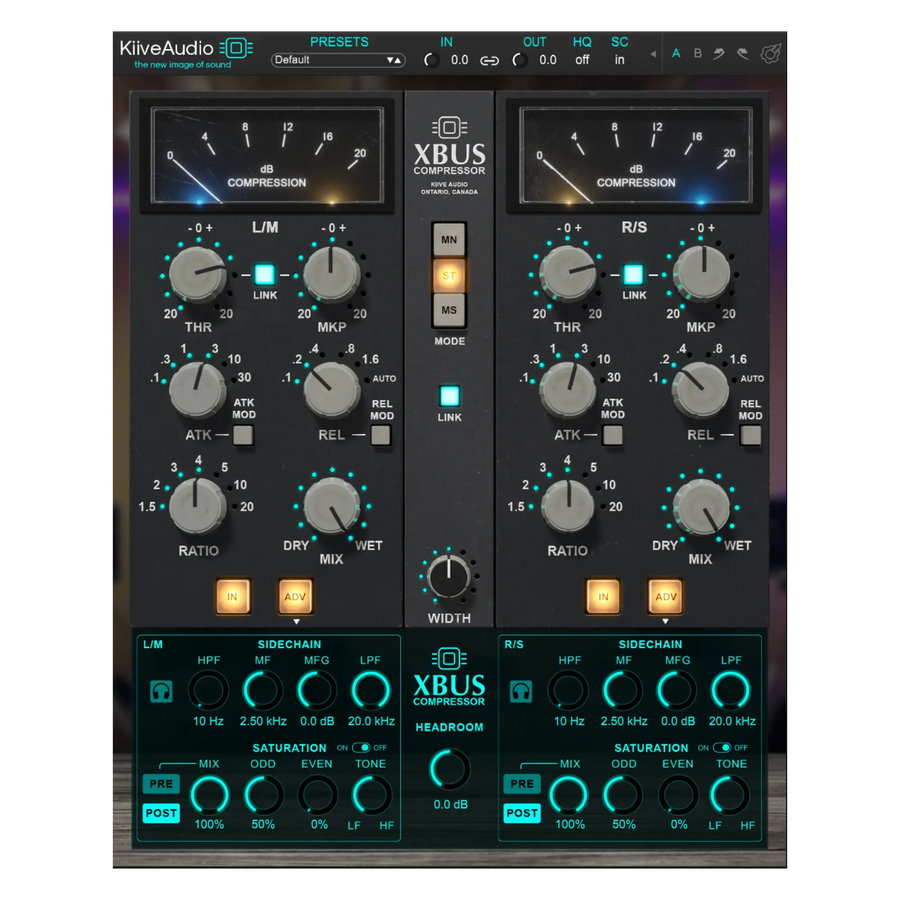
XBus
VCA bus compression with sidechain filtering for controlling how strongly low-frequency energy drives the detector.
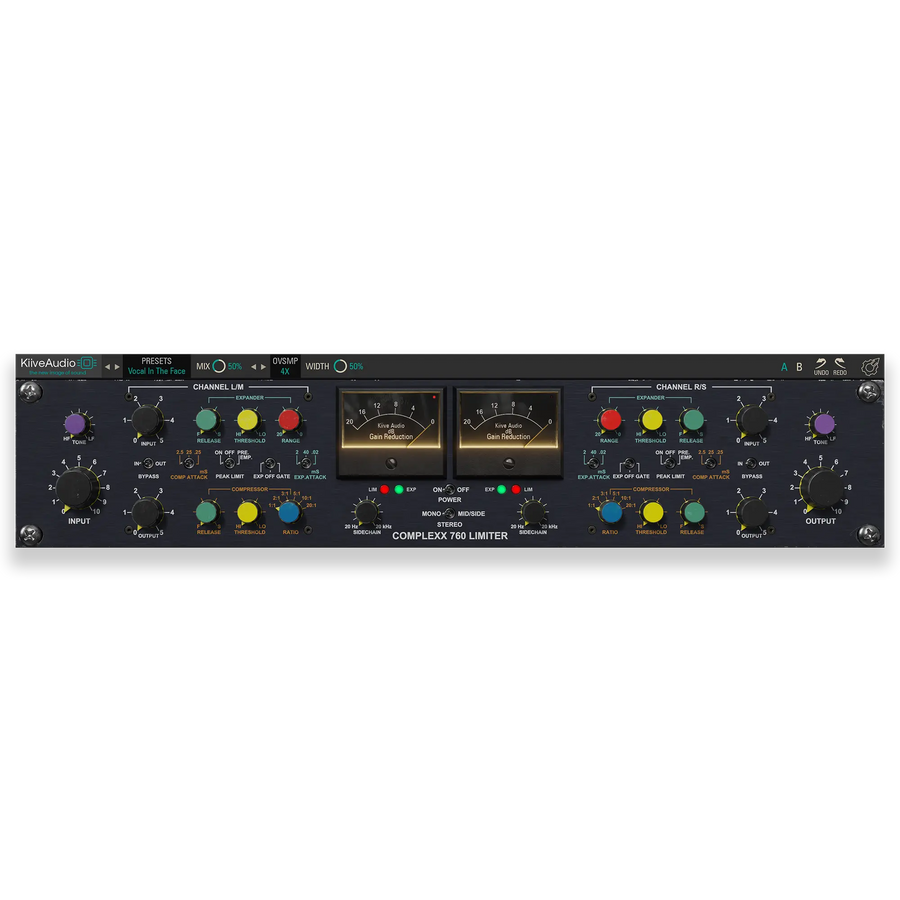
Complexx
FET compression with sidechain high-pass filtering, parallel blend, expansion, and limiting.
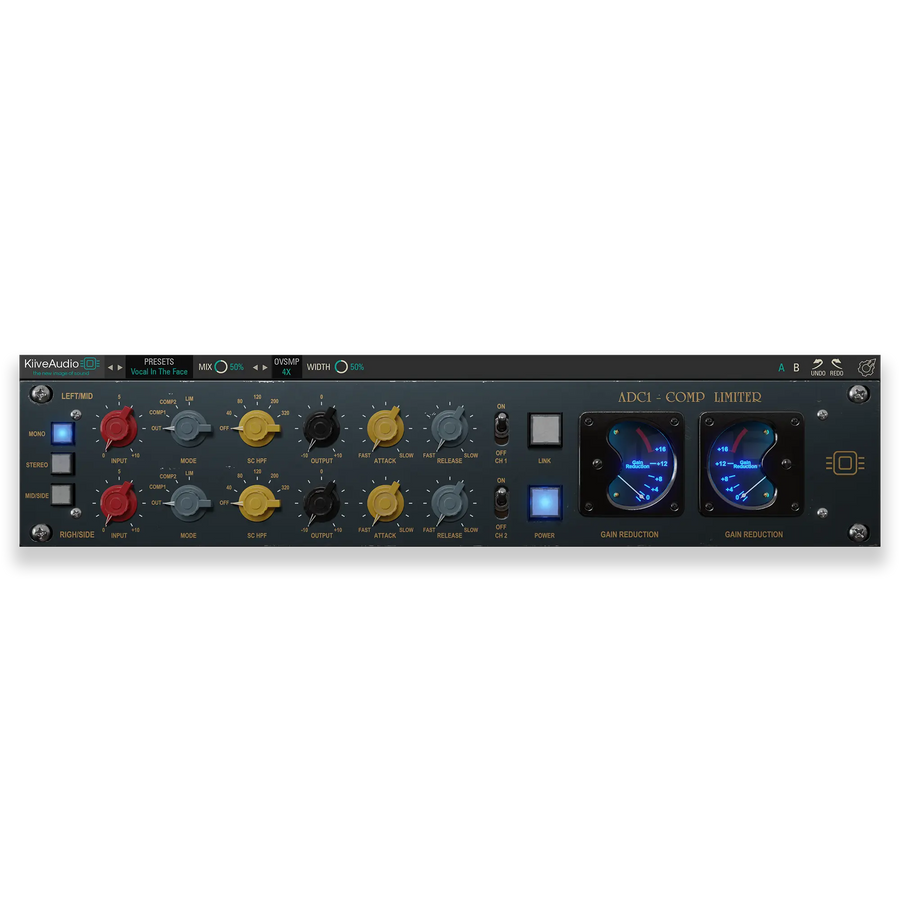
ADC1 Compressor / Limiter
Diode-style compression and limiting with selectable sidechain high-pass filtering for controlling low-frequency detector influence.